
A Nutritionist’s Guide to Better Health
By Uday Shetty | Nutritionist | Yoga Trainer | Lifestyle Transformation Mentor
For years, I have worked with busy professionals, homemakers, entrepreneurs, and senior citizens who wanted to improve their health naturally. During my journey of training and mentoring thousands of people in nutrition, yoga, and lifestyle transformation, I have noticed one common nutritional gap—insufficient protein intake.
Many people focus only on calories, carbohydrates, or fats, but they overlook protein, one of the most essential nutrients for the human body.
What Is Protein?
Protein is made up of amino acids, the building blocks of muscles, organs, hormones, enzymes, skin, hair, and the immune system. Every cell in your body requires protein to function properly.
Your body constantly repairs itself, and protein is required every single day for this process.
Why Are Many Indians Protein Deficient?
The typical Indian diet is rich in rice, chapati, idli, dosa, poha, and snacks. While these foods provide energy, many meals do not contain enough high-quality protein.
Common reasons include:
- Heavy dependence on carbohydrates
- Busy lifestyle and irregular meals
- Low intake of pulses, dairy, or legumes
- Vegetarian diets without proper protein planning
- Skipping breakfast
Common Signs You May Not Be Getting Enough Protein
- Feeling tired throughout the day
- Frequent hunger or cravings
- Difficulty maintaining muscle strength
- Slow recovery after exercise
- Hair fall
- Brittle nails
- Reduced stamina
- Difficulty staying full after meals
These symptoms can have multiple causes, but inadequate protein intake is one possible contributor.
How Much Protein Do You Need?
Protein needs vary depending on age, activity level, and health goals.
General guidelines:
- Sedentary adults: approximately 0.8–1.0 g per kg body weight per day
- Active adults: approximately 1.2–1.6 g per kg body weight per day
- Strength training individuals: around 1.6–2.2 g per kg body weight per day, depending on training and goals
A nutrition professional can help determine the right amount for your individual needs.
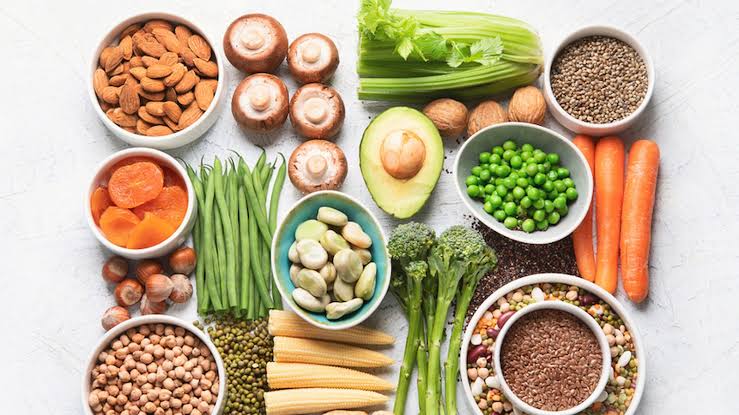
Best Vegetarian Protein Sources
- Lentils (Dal)
- Chickpeas
- Rajma
- Soybeans
- Paneer
- Milk and curd
- Greek yogurt
- Tofu
- Peanuts
- Almonds
- Pumpkin seeds
- Mixed sprouts
Including a protein source in every meal can help you meet your daily needs.
Is Plant Protein Effective?
Absolutely.
Modern plant protein blends can provide high-quality protein and fit well into vegetarian lifestyles. They are especially useful for people who struggle to meet their protein requirements through food alone because of busy schedules.
The key is to choose a quality product with a good protein content, clean ingredients, and a balanced amino acid profile.
My Practical Recommendation
I always encourage people to focus on:
- Balanced nutrition
- Daily movement
- Yoga
- Quality sleep
- Stress management
- Consistent healthy habits
When daily food intake falls short, a quality plant protein supplement can be a practical addition to support overall protein intake. Nexislife Plant Protein is one option that can fit conveniently into a balanced lifestyle alongside whole foods.
Remember, supplements should complement a healthy diet—they should not replace nutritious meals.
Final Thoughts
Good health is not built by shortcuts.
It is built by the small habits you practice every day.
Eat balanced meals, include enough protein, stay active, practice yoga, sleep well, and remain consistent. These simple habits can make a meaningful difference to your long-term health and well-being.
— Uday Shetty
Nutritionist | Yoga Trainer | Lifestyle Transformation Mentor
Helping Busy Adults Build Sustainable Healthy Habits